

Workflow Optimization: It's far different from what you think it is
The biggest mistake teams make when improving operations through automation is focusing narrowly on automation without considering the bigger picture called Workflow Optimization.
"So what is workflow optimization? First one must understand what it is not. And certainly it is not simple automation."
What Automation Actually Is
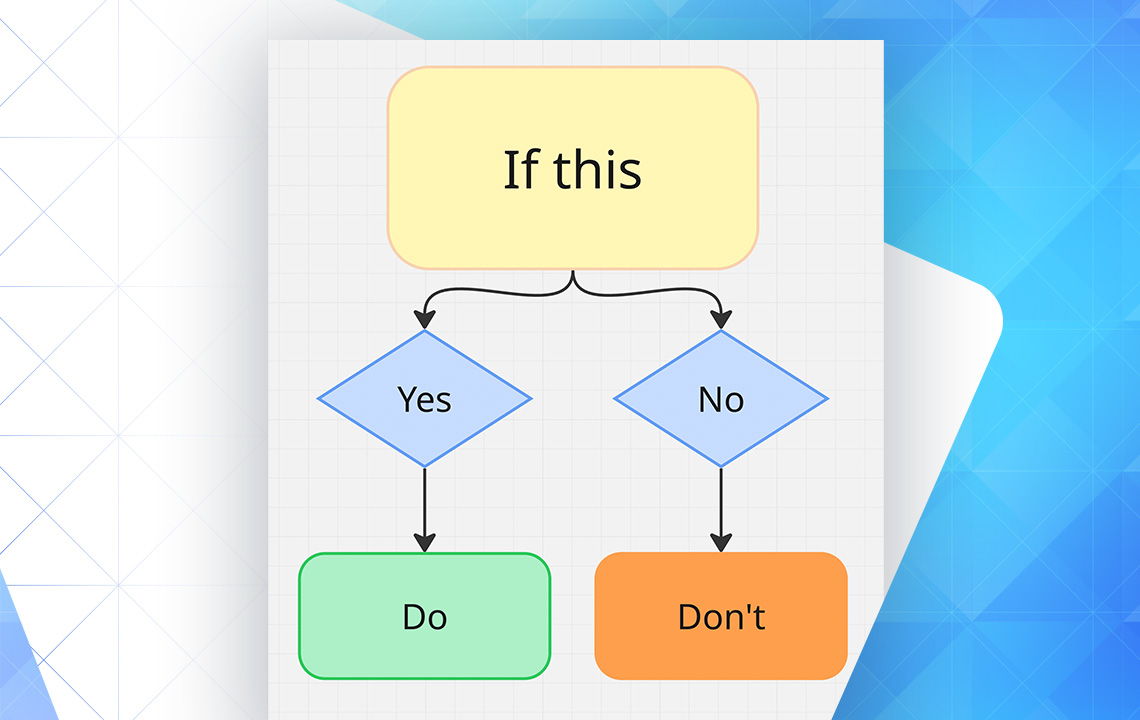
Automation has a narrow scope and targets tasks following predictable, repeating patterns where human judgment isn't required -- such as logging newsletter signups or form submissions into systems. It works best for if/then scenarios with predictable outcomes.
However, automating faulty or unnecessary workflows wastes time and money without improving business performance.
Understanding Workflows
A workflow consists of standard, repeated task sequences meant to accomplish goals. These can range from company-wide OKR reviews to simple timecard submissions. Workflows:
- Repeat regularly within teams or job roles
- Contain multiple steps
- May vary depending on context
The article provides a bug report workflow example showing logging, severity assessment, and action paths.
Defining Optimization
Optimization ensures a process:
- Leads to goal completion
- Requires minimal human effort and time
- Avoids cumbersome, redundant work
Consequences of Skipping Optimization
Decreased Employee Satisfaction and Retention
Employees' least favorite job aspects typically involve poorly optimized processes.
Inability to Scale
Scaling requires growth without proportional resource increases. Unoptimized processes consume time that could fuel expansion.
Suboptimal Outputs
Manual-heavy, poorly designed processes increase human error risks, potentially causing data loss or critical failures.
The QAO Framework
Q: Question Your Assumptions
Before optimizing, verify the process is meaningful and impacts your bottom line. If answers aren't clear, consider eliminating the process entirely.
A: Analyze Workflow Steps
Use process-mapping to document each step systematically. Maintain critical examination -- identify meaningless steps for removal.
O: Optimize Through Four Methods
Filtering
Trim unnecessary tasks and rituals identified during earlier steps.
Automation
Have computers handle manual, predictable work instead of wasting human time. The article describes a SimplaDocs client case: an employee spent 15 hours weekly entering TikTok video metrics into spreadsheets. A 5-hour API integration automation freed 780 annual hours.
Delegation
Some tasks resist automation due to unpredictability, required judgment, or API unavailability. Delegating to employees or hiring specialized staff handles these appropriately.
AI
Large language models aren't true automation but save significant time through:
- Code and script development assistance
- Research and analysis
- Brainstorming support
- Content editing
- Team collaboration feedback
- Code testing and debugging
- Customer service chatbots
- Data analysis
- Document processing
- Internal knowledge surfacing
- Trend identification in feedback
Proper AI integration can save teams hundreds of hours.
Conclusion
What prevents you from pursuing workflow optimization?
Want to read more?